Friday, 24 May 2013

ROOT CAUSE OF ARTHRITIS & OTHER DISEASES - PART 2


Yes, I am still writing about the dangers of modern wheat because there is just too much information to share. This is a continuation of my previous post on "Root cause of arthritis and other diseases".  If you have not read it, please read it first then continue here. 

With this shocking revelation of the dangers of modern wheat - something that is in almost all our food, what do we do next? The biggest challenge is how can we resist all these extremely attractive and delicious wheat and high carb food created by the manufacturers.  They are all around us in bakeries, supermarkets, malls, restaurants, cafes etc. And the more we eat them, the more we crave for it.  Even vegetarian restaurants serve wheat and high carb food. What about all the Chefs in cooking shows?  Most of their recipes are made of wheat and high carb food too.  Well, I don't blame them because nobody would crave for salmon, chicken or vegetables but we will crave for more wheat and high carb food.  This is the addictive component of wheat which is the worst carbohydrates.

Its been almost a month now since I published the first part of this topic and I observed that some people took it positively and tried to make changes in their diet.  Some are in denial because they feel that they do not consume much of wheat and high carb food but when I found out what they actually eat, its a different story. Some don't even care much about it even though they may know the danger now because they cannot divorce themselves from it.  This group is basically the same as smokers or addicts who know the danger but they just cannot quit. They also feel that they are not going to live that long anyway so might as well enjoy food first.  Well, I can't blame them because this was exactly how I felt before.  I even thought that eating everything in moderation should be okay but why is my belly still growing bigger, blood sugar level and everything else seemed to be going up?
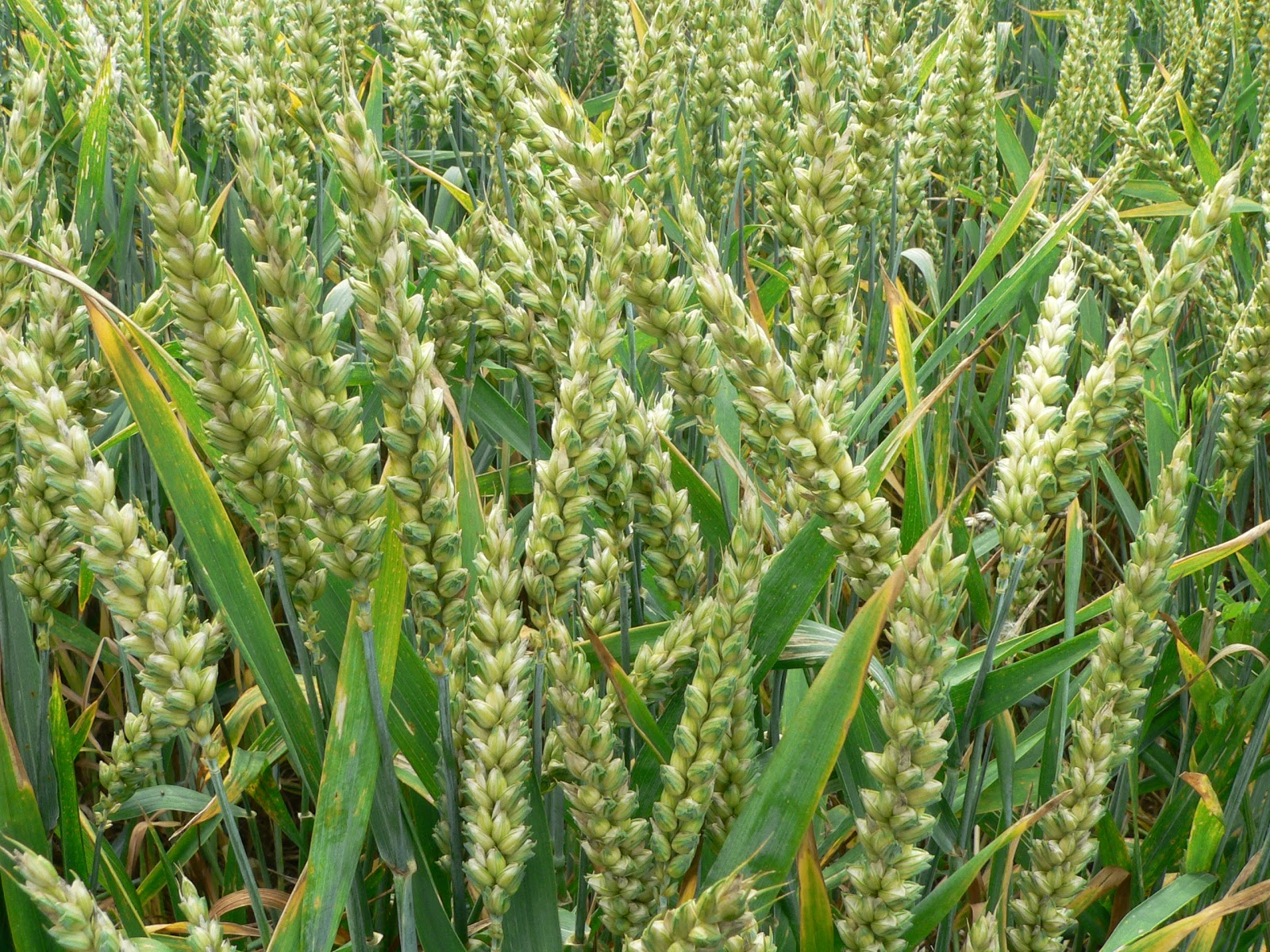
In my previous post, I shared about relevant information from a book called Wheat Belly which was written by a cardiologist named Dr. William Davis which instantly became a best seller in New York Times.  In his book, Davis wrote about the dangerous effects of modern wheat on our health.  It was said earlier that wheat is not only found in many food products but in certain medicines and cosmetics such as lipsticks. It is also in wrappers of chewing gums so that it does not stick to the paper. What about oats? Yes, some of the so called "Heart Healthy" oats does contain wheat.  So we have to be careful by checking food labels and not be deceived by the so called "Healthy Whole Grains", "Healthy Heart", "Cholesterol Free", "Vitamins Enriched", "Organic" and so forth.  The reality is that no matter what the manufacturers labelled the product, it is still wheat.


THE EFFECTS OF MODERN WHEAT

According to Davis, modern wheat has been proven to cause increase in appetite and food obsession due to exorphins which is an addictive property of wheat. Wheat also causes obesity particularly in visceral fat, diabetes, heart disease, osteoarthritis, rheumatoid arthritis, acid reflux, osteoporosis due to high acidity, accelerated ageing, dementia, brain dysfunction, cancer, celiac disease, irritable bowel syndrome and the list goes on. Wheat also causes worsening of symptoms of inflammatory bowel diseases such as ulcerative colitis and Crohn's diseases. It also worsens symptoms of people with ADHD, autism, depression, schizophrenia and bipolar.  But wait - there is more.


Wheat also causes hair loss.  Have I got your attention now?  Did you say hair loss? Yes. According to Davis, hair loss is sometimes unavoidable, due to the effects of toxic drugs or dangerous diseases.  People undergoing cancer chemotherapy, temporarily lose their hair because active non-cancerous cells such as those in hair follicles are also killed in the process.  Certain inflammatory diseases such as lupus can also cause hair loss.  Wheat consumption can now be added to the list of causes of hair loss. "Alopecia areata" refers to hair loss that occurs in patches, usually from the scalp, but occasionally other parts of the body or even the entire part of the body.  Wheat consumption causes alopecia areata due to a celiac-like inflammation of the skin.  The inflamed hair follicle results in reduced hold on each individual hair, which causes shedding.  When caused by wheat, alopecia can persist for as long as wheat consumption continues.

Davis related a case about one of his patient named Gordon who had coronary disease.  For two years, Davis tried to get Gordon to drop the wheat but to no avail.  You see, Gordon owned a bakery.  Bread, rolls and muffins were part of his life every day, seven days a week.  It was only natural that he would eat his own products.  However, one day, Gordon came to see Davis and revealed that he had started to lose clumps of hair, leaving divot-like bald patches scattered over his scalp.  His primary care doctor diagnosed alopecia but couldn't explain a cause.  He was so upset with the hair loss resulting in his asking his primary care doctor for an antidepressant and concealing the embarrassing situation with a cap.  Of course, Davis's first thought was wheat.  It fitted Gordon's overall health picture; small LDL particles, wheat belly body configuration, high blood pressure, pre-diabetic blood sugars, vague stomach complaints and now hair loss.  Finally, Gordon agreed to eliminate wheat despite the difficulties that he would face but he stuck to it.  Within three weeks, Gordon reported that hair had begun to sprout up in the bald patches.  Over the next two months, vigorous growth resumed.  He also lost twelve pounds and two inches from his waist.  The intermittent abdominal distress was gone, as was his pre-diabetic blood sugar.  Six months later, reassessment of his small LDL particles showed 67 percent reduction.  Though dropping wheat was tough for Gordon judging from where he's coming from but I agree that it sure beats having to wear a toupee.


Wheat also has destructive effects on the skin.  Now this ought to wake you up as well. According to Davis, if wheat can affect organs such as the brain, intestines, arteries and bones, it can also affect skin which is the largest organ.  Skin changes do not generally occur in isolation.  If an abnormality due to wheat is expressed on the skin surface, then it usually means that the skin is not the only organ experiencing an unwanted response.  Other organs may be involved, from intestines to brain except that we may not be aware of it.

Wheat can exert age-advancing skin effects such as wrinkles and lost elasticity through the formation of advanced glycation end products. Just as digestive by-products of wheat lead to joint inflammation, increased blood sugar and brain effects, it can also result in reactions in the skin ranging from acne, skin rashes, oral ulcers, psoriasis, dermatomyositis and many other skin conditions.

One of Davis's patient by the name of Kurt has excess small LDL particles, low HDL cholesterol and high triglycerides.  Naturally, Davis advised him to eliminate wheat and he did so.  After three months, Kurt lost eighteen pounds and his wheat belly.  But strangely, the reddish-brown rash over Kurt's right shoulder, spreading down to his elbow and upper back, that had plagued him for more than seven years had disappeared.  None of the three dermatologists whom Kurt seeked treatment from could cure him except for the temporary relief with steroid creams.  The solution was as simple as eliminating wheat.


WHAT ABOUT OTHER CARBOHYDRATES?

According to Davis, if we remove wheat, we have removed the most flagrant problem source in the diet of the people who otherwise follow healthy diets.  Wheat is the worst of the worst carbohydrates but other carbohydrates can be a problem source as well, though on a lesser extent.  However, high carbohydrates causes wide fluctuations of blood sugar and glycation, severe resistant to insulin, growth of visceral fat and inflammatory responses, all of which leads us to have tired, beaten pancreas unable to keep up with the demand to produce insulin.  Continued carbohydrate challenges forced on flagging pancreatic function leads us down the path of pre-diabetes and diabetes, hypertension, lipid abnormalities, arthritis, heart disease, stroke and all the consequences of excessive carbohydrate consumption.  Therefore, in addition to wheat elimination, an overall reduction in carbohydrates is also beneficial.


THE EFFECTS OF CARBOHYDRATES

There is another interesting book by Jonny Bowden, PhD, CNS (a nutrition expert) called "Living Low Carb". In this book, Bowden even quoted Davis's findings about the dangers of modern wheat.  I learnt a lot more about carbohydrates and its effects on our body from Bowden's book.

Many of us are aware that sugar is linked to diabetes and so it is bad for our health.  Therefore, we cut down on our consumption of sugar particularly in our drinks.  But its not sugar per se.  All the high carbohydrate food that we consume such as breads, pasta, cakes, cookies, capati, roti canai, rice, noodles, donuts etc. are eventually broken down as sugar in our body.  If we consume high amount of carbs, can you imagine how much of sugar will be floating in our system?

So what happens with all that sugar in our system?  According to Bowden, our pancreas would be hard at work to produce insulin in order to prevent blood sugar from rising too high.  Then our liver notices the amount of insulin produced and get to work.  Some of the sugar or glucose is transported to our muscle cells for energy and to the brain for function.  What happens then to all the excess sugar?  They are packaged into triglycerides (i.e. fats found in the blood and in the tissues).  The high level of insulin accompanying the high-carb meal stimulates the cholesterol-making machinery; the body starts churning out more cholesterol, which it then packages (together with triglycerides) into little containers called VLDLs (very low density lipoproteins), most of which eventually become LDLs (low density lipoproteins) or "bad" cholesterol.  This is how a high-carb diet raises both triglycerides and cholesterol.

Why sugar, you may ask?  Bowden explained that sugar is sticky while proteins are smooth and slippery.  The slippery nature of protein lets them slide around easily in the cells and do their jobs effectively.  But when excess sugar keeps bumping into proteins, the sugar eventually gums up the works and gets stuck to the protein molecules.  Such proteins are now said to have become "glycated" (this is similar to what Davis mentioned about glycation). The glycated proteins are too big and sticky to get through small blood vessels and capillaries, including the small vessels in the kidneys, eyes and feet, which is why so many diabetics are at risk of kidney disease, vision problems and amputation of toes, feet and even legs.  If our joints gets glycated, we end up with arthritis as explained in my earlier post.  So in simpler term, if certain part of our body gets glycated, we will end up with problem in that area.


IS FAT WORSE THAN SUGAR?

According to Bowden, sugar is far more damaging than fats.  But all this while, we have been inundated with the idea that fat causes high cholesterol and heart disease.  Yes, we have been misled and we never questioned its validity.  How are we supposed to know when doctors seemed to be singing the same song and happily prescribing us with more medications?  So my friends, if you have not heard of this anywhere, you are hearing it here - sugar (including all carbohydrate food which are broken down as sugar in the body) is the main culprit in causing diabetes, high cholesterol, heart disease, osteoarthritis, rheumatod arthritis, cancer as well as a host of other diseases.  As you can see,  everything is related.

Fat is the single most misunderstood component of the modern diet.  Bowden explains that saturated fat is a completely neutral fat.  It burns like any other fat.  If we are eating a high-carb diet, the effect of fat may indeed be more damaging.  But if we are eating a low-carb diet, insulin is low and saturated fat is handled more efficiently.  So when carbs are low, we are burning that saturated fat as fuel and we are also making less of it.

One recent study has shown that when obese patients are put on a high-saturated-fat diet but without starch, the body weight decreased, body-fat percentage decreased and total triglycerides decreased.  The researches concluded that a high-saturated-fat / starch-avoidance diet resulted in weight loss after six weeks without any adverse effects on serum-lipid levels.

Bowden also said that our body must have protein and animal fats which can also provide the necessary calories.  Carbohydrates only provide calories and nothing else.  They have none of the essential elements to build up or to repair the tissues of the body.  Therefore, the body does not have physiological need for carbohydrates.  Yet is has always been a world wide practise of Dietetic Associations to recommend that we consume the majority of our calories from carbohydrates as a healthy diet.  How can this be a good advice when the exact opposite happens after high consumption of carbohydrate food?  Doesn't this raise the question of why obesity, diabetes, heart disease, arthritis, cancer and other diseases are so prevalent in today's world?  It just doesn't make sense to me.

Anyway, the verdict is that saturated fat is not guilty.  It has been wrongly blamed for causing high cholesterol and heart disease.  Wait - what about eggs, seafood and red meats?  Yes, you guessed it right.  They have been wrongly blamed as well.


LIVING LOW CARB

There are tons of diets out there and I have personally tried so many of them but nothing has worked on a long term basis.  In one of Oprah Winfrey's talk show, it was said that the magic formula for losing weight is to burn more than we eat.  Yeah, it made sense to me at that time.  But after I exercised very hard on the treadmill in the gym for one hour, the machine tells me that I have burned 300 calories. What?? 300 calories only after all that hard work?  It was unbelievable.  I might as well eat 300 calories less.  At that time, I continued to work my butt out and ate less calories.  Eventually, I lost weight but I was hungry all the time and before I know it, all the weight came piling back on after I gave in to my cravings.

Now I understand that it is not reliable to count on exercise to lose weight.  In fact, we do not burn much calories after exercise.  The fact is that we feel a lot hungrier after exercise and therefore, we tend to eat a larger meal.  What about calories? Do we need to count calories?  Studies have shown that when people are put on high-carb meals with less calories, they still put on weight.  But when people are put on low-carb meals with higher calories, they still lost weight. So the answer is obvious that calories is not the problem.  The problem is in the type of food we eat.  Wheat and high-carb food have been proven to be the worst enemy here.  Should we still exercise if it doesn't help us to lose weight?  Of course we should because exercise helps us to improve our overall health and fitness. 

With all these information in my hands now, living low carb appears to be the most logical and sustainable way of eating for me. If it can prevent me from having arthritis in other joints, prevent other diseases or reverse any existing health problems without any medication and lose weight at the same time, it is a small price to pay.  There are tons of positive research conducted on low-carbing approach of eating which resulted in no significant harmful effects.  In fact, the only side effects are weight loss and improved health.

Well, I have been living low carb for three months now and I found it to be the easiest diet because I don't feel  hungry so it doesn't feel like I am on a diet.  To be honest, I have never eaten so healthily before. I have filled the gap with lots of fresh food such as vegetables, greens, fruits, meats, fish, seafood, eggs, tofu, cheese, nuts etc.  Living low carb is not bland, plain and boring as you might think.  Think of barbeque spare ribs, steak, cheese, grilled chicken, fish and pork, are these boring?  Definitely not for me. It is a matter of removing the bread, potatoes, rice, noodles and so forth.  It is actually more satiating after a low-carb meal and I find that I can taste the food better.  What about vegetables and fruits? Fresh salads and green smoothies can be very yummy and refreshing too. I usually have a big portion of fresh salads together with my protein.  Even though meats are acidic forming but it can be neutralised by the vegetables, greens and fruits which are alkaline.  High carb food on the other hand are very acidic and therefore, causes more health problems.

I find that Western low carb meals are a lot easier to prepare than Chinese meals.  Yes, I still cook Chinese meals for dinner maybe once or twice a week and I can eat all the dishes and drink the soup without the rice.  Its a matter of getting used to it.  Afterall, this is how we eat at Chinese wedding dinners.  Basically, it all boils down to making better food choices.

For the first time in a long while, I am enjoying seeing myself in the mirror. I have lost one dress size and still losing without much effort, without counting calories, without going hungry and without having to exercise to death. My blood sugar level has come down from 6 to 5.  I can see a significant improvement in my immune system and reduction in bad cholesterol, acid reflux and body aches.  I am still monitoring my blood pressure which I know will come down eventually. I feel energetic and still managed to climb another 547 steps at Batu Caves last weekend (see post on 2 years post BTKR).


CONCLUSION

In conclusion, I would like to say that I have changed the way I look at food.  I used to eat what I like and avoid what I don't like without a second thought about nutrition.  And I will give in to my cravings for unhealthy but attractive high carb food. But now, I make an effort to eat what is good for my body. If I have to rely on this body to last me a long time in a healthy manner, I have to take better care of it. It is a far cry from what I used to think - eat first then worry later.  Am I perfect in living low carb?  If perfection is key, I would be doomed.  Actually, I don't really find it difficult living low carb but if I do derail a little once in a while, I don't feel guilty and sweat over it.  I just get back to it on the next meal.

Now back to my earlier question  - "Does OA still exist after TKR?".  I can safely say that we may not have arthritis in our TKR joint but we may still have arthritis in other joints.   In fact, I am already feeling it in my hands.  We may also have potential to have arthritis in any joints.  The good news is that we can prevent ourselves from getting arthritis or prevent further damage to existing arthritic joints. The power is in our hands to make changes particularly in the food that we eat.

I always believe that things happen for a reason.  All these experiences with obesity, addiction and total knee replacement have been a blessing for me because if not for them, I would not have learnt about the importance of exercise and the impact of food on our body and health in general. And I would not be blogging about it. 

If eliminating wheat can reverse all the health problems that we are facing today, shouldn't it banished forever?  Logically, yes but the stakes are too high. Its the same problem with tobacco.  It will never happen because the implications are too great.  It involves the farmers, manufacturers, pharmaceutical companies, doctors, hospitals, government, workers and so forth.  Hence, we have to take this into our own hands and make the best decision for ourselves and possibly, our family members too.  After all, we are in charge of our own health.

Lose the wheat and brace yourself for better health!    ...  William Davis

Experience a myriad of health benefits and weight loss by living low carb.   ... Jonny Bowden

Just to prove to you that low carb meals are not bland, plain and boring, here are a few pictures of the low carb meals which I dished up.  They are so easy to make and you can find tons of  low carb recipes in the internet from Paleo Diet, Atkins Diet, South Beach Diet, Dukan Diet and so forth. 


Low carb pizza with cheese, pepperoni and pineapple


Grilled chicken with low carb rice and salad
 

Egg pancake with fruits and chocolate drizzle


Low carb shepherd pie with mango salsa

Grilled pork with black pepper sauce and prawn salad


Grilled salmon with dijon mustard dressing

Sunday, 5 May 2013

ROOT CAUSE OF ARTHRITIS & OTHER DISEASES - PART 1


Okay, so we have had our implants installed in our knees and we get our lives back.  But what do we do next? Similarly, if some people are lucky enough to have survived cancer and are in remission, should these people just carry on with their lives without making any changes and without knowing what went wrong in the first place in order to prevent a relapse?  My biggest fear is that I am still exposing myself to Osteoarthritis (OA) in other joints or maybe even in the TKR joints?  These are questions that have been flooding my mind.  Does OA still exist after TKR?  What can I do to prevent OA?

So here lies the most important question - what is the root cause of OA?  Most medical professionals would say that its due to ageing, overweight, genetics, overuse or injuries. If this is the case, why is it that more and more younger people are getting OA and some of them without fitting the bill for any of these given reasons. There has to be a more logical explanation for this.  So for the past several months, I have been doing some research.  I actually started out by trying to find out what is the root cause of OA but I got more than what I bargained for.  I have gathered so much of information which is impossible to capture in one post thus, there will be several more posts to come. And I want to thank some of my blog readers and TKR forum members for giving me a heads up that OA still exist after TKR.

WHEAT BELLY

 In 2010 , a brilliant cardiologist named William Davis, MD, published a book called Wheat Belly, which instantly became a best seller in the New York Times.  One of my blog readers, Barbara K. left me a comment about wheat belly (Barbara, if you are reading this, thank you so much for sharing this information). I checked out the wheat belly blog and also got hold of the book and read it.  Davis explained that the wheat we are consuming today is a genetically modified kind of wheat (to increase yield-per-acre) that had never been seen on earth before about 50 years ago.  This wheat is called "dwarf" wheat and it has replaced most of the other strains of wheat in the United States (and in much of the world). Davis says that  "Modern wheat, despite all the genetic alterations to modify hundreds, if not thousands, of its genetically determined characteristics, made its way to the worldwide human food supply without nary a question surrounding its suitability for human consumption".


In 2011, journalist/educator Tom Naughton interviewed Davis on the subject of wheat.  Here is an extract of the interview which you can find on Naughton's website which explains how Davis started noticing the problem with wheat.

Quote

Naughton:  "You're a cardiologist by profession, yet you just wrote an in-depth book about the negative effects of consuming wheat.  How did wheat end up on your radar? What first made you suspect wheat might be behind many of our modern health problems?

Davis:  If foods made from wheat raise blood sugar higher than nearly all other foods (due to its high-glycemic index), including table sugar, then removing wheat should reduce blood sugar.  I was concerned about high blood sugar since around 80% of the people coming to my office had diabetes, pre-diabetes, or what I call "pre-pre-diabetes".  In short, the vast majority of people showed abnormal metabolic markers.

I provided patients with a simple two-page handout on how to do this i.e. how to eliminate wheat and replace the lost calories with healthy foods like more vegetables, raw nuts, meats, eggs, avocados, olives, olive oil etc.  They'd come back three months later with lower fasting blood sugars, lower haemoglobin A1c (a reflection of the previous 60 days' blood sugar); some diabetics became non-diabetics, pre-diabetics became non-pre-diabetic.  They'd also be around 30 pounds lighter.

Then they began to tell me about other experiences: Relief from arthritis and joint pains, chronic rashes disappearing, asthma improved sufficiently to stop inhalers, chronic sinus infections gone, leg swelling gone, migraine headaches gone for the first time in decades, acid reflux and irritable bowel symptoms relieved.  At first, I told patients it was just an odd coincidence.  But it happened so many times to so many people that it became clear this was no coincidence: this was a real and reproducible phenomenon.

That's when I began to systematically remove wheat from everyone's diet and continued to witness similar turnarounds in health across dozens of conditions.  There has been no turning back since."

Unquote


Now I know what all of you must be thinking.  What are the foods we eat that has wheat in it?  Its breads, roti canai, capati, pasta, cereals, cookies, cakes, donuts, noodles, french fries, chips, frozen food, canned foods, soya sauce, oyster sauce, snacks, candies and the list goes on.  Its virtually in every product you see on the shelf of supermarkets.  Okay, I know some of you might want to throw stones at me right now.  What??  You must be kidding!  Are we supposed to give up all these foods?  All these attractive and yummy foods?

Before you continue to rant, let's learn more about this wheat that is supposed to be dangerous for us.

WHAT DOES WHEAT DO TO US?


According to Davis, besides raising blood sugar and insulin, wheat has an addictive component called gliadin.  Gliadin is the most abundant protein found in wheat, contained within gluten polymers. Upon digestion, gliadin is reduced to a collection of 5 polypeptides, each 4 or 5 amino acids long, that bind to the opiate receptors of the brain. Unlike opiates such as morphine and heroin, gliadin-derived polypeptides don’t provide pain relief nor euphoria, but only stimulate appetite. Therefore, we tend to eat a lot more calories per day and after two hours, we crave for more carbohydrate foods again.  Then we eat again and then we crave for more - much like an addiction and withdrawal symptom.

Wheat contains Amylopectin A which raises blood sugar and if there is repetitive high sugar, it increases visceral fat or as Davis called it "wheat belly".  So food that contains wheat makes us fat and it is the main cause of obesity and diabetes.  Its not our fault then that we become fat and sick.  Its not that we are lazy and we ate too much.  We just didn't know about the effects of wheat.  Nobody told us, not our doctors, not our health department and definitely not the commercial giants. On the contrary, we are encouraged to eat more "healthy whole grains" which is wheat as well.  I wonder why wheat is in almost every food even some cosmetics and medicines.  Could it be that the manufacturers already know about the addictive component of wheat? It just doesn't make sense to me.

Lean people are not spared too.  They are also susceptible to a wheat belly and some of Davis's patients reported that no matter how hard they exercised, cut down on fats and increased consumption of "healthy whole grains", the belly would not budge. But the minute they lose the wheat, they lose their bellies.  This is evident that wheat is the culprit, not fat.  To further prove a point - if you look at vegetarians, why is it that quite a number of them are overweight with bellies and health problems such as diabetes, heart disease, fatty liver, arthritis etc.?  If they consume only vegetables, they should be slim and healthy. It doesn't make sense, isn't it?  The reason is that they  substitute animal protein and fats with lots of food made from wheat and carbs which are the culprits. So fat has been wrongly blamed for many heallth problems such as high cholesterol, heart disease, fatty liver and other diseases.  Learn more about this in my other forthcoming posts.

Wheat does not cause weight problem only. It causes almost all the diseases known to us. It causes body wide inflammation and increases acidity in the body which causes a chronic acid burden that eats away at bone health.  It was also reported that the elimination of wheat has  helped to reduce the symptoms for people with ADHD, autism, depression, schizophrenia and bipolar.  In some cases, these people were even able to recover from their symptoms.  This is an effect of wheat on mental function. 

Davis related in his book that he had also seen the dramatic turnaround in health for a 38 year old woman with ulcerative colitis.  She lived with constant cramping, diarrhea and frequent bleeding.  Her gastroenterologist advised colon removal with creation of an ileostomy which is an artifical orifice for the small intestine (ileum) at the abdominal surface, the sort to which you affix a bag to catch the continually emptying stool.  Davis advised her to try to eliminate wheat in her diet because she has got nothing to lose.  So even though she was skeptical, she agreed to try.  She returned to Davis's office three months later, no ileostomy bag in sight, lost 38 pounds and her ulcerative colitis is nearly gone.  No more cramps or diarrhea.  She is off all medications and she felt great. 

In another case, Davis wrote about a 63 year old grandmother who had undergone two heart catheterizations and received three stents in the past two years despite taking a cholesterol reducing statin drug.  She had low HDL cholesterol, high triglycerides and high small LDL particles.  She was also diagnosed with diabetes and was on metformin.  Her dosage kept increasing until her doctor started talking about the possibility of insulin injection.  Davis asked her to eliminate wheat and restrict other carbohydrates such as cornstarch, sugars, oats, beans, rice and potatoes because the small LDL pattern, low HDL and high triglycerides are closely linked to diabetes.  Within the first three months of starting her diet, she lost 28 pounds of her starting weight of 247 and her glucose level kept coming down.  After a year, she lost a total of 51 pounds and she is still gradually losing weight.  She became non-diabetic and essentially cured.

All these amazing results just by eliminating wheat and reduction of carbs? Sounds like a simple cure.

WHAT IS THE CONNECTION BETWEEN WHEAT & ARTHRITIS?

According to Davis, gliadin opens intestine barrier allowing foreign substances to enter the blood stream.  One of the undesirable effects is autoimmunity - i.e. the body's immune response is tricked into activation and attacks normal organs such as thyroid gland or joint tissue.  This can lead to autoimmune conditions such as Hashimoto's thyroiditis and rheumatoid arthritis. The same inflammation that issues from the visceral fat of the wheat belly and results in diabetes, heart disease, rheumatoid arthritis, osteoporosis, ulcerative colitis, celiac disease, dementia, cancer and other diseases also yields inflammation of joints.  Inflammation-mediating hormones have been shown to inflame and erode joint tissue. 

Leptin is a protein hormone that plays a key role in regulating energy intake and energy expenditure, including appetite and metabolism.  Leptin has demonstrated direct joint destructive effects:  The greater the degree of overweight (i.e. higher BMI), the higher the quantity of leptin within the joint fluid and the greater the severity of cartilage and joint damage. The risk of arthritis is even greater for someone with visceral fat of the wheat belly variety.  Losing weight, and thereby losing visceral fat, improves arthritis more than can be expected from just the decreased weight load.

Davis writes that another phenomenon that adds to the wheat-induced pounding that joints sustain over the years is glycation.  Glycation is a reaction that takes place when simple sugar molecules become attached to proteins or lipid fats without the moderation of an enzyme.  The more wheat products we consume, the higher and more frequently blood glucose increases, the more glycation occurs. The cartilage in joints is uniquely susceptible to glycation, since cartilage cells are extremely long-lived and are incapable of reproducing.  Once damaged, they do not recover.  If cartilage proteins, such as collagen and aggrecan, become glycated, they become abnormally stiff.  The damage of glycation is cumulative, making cartilage brittle and unyielding, eventually crumbling.  Joint inflammation, pain, and destruction results, the hallmarks of arthritis.

So high blood sugars that encourage growth of a wheat belly, coupled with inflammatory activity in visceral fat cells and glycation of cartilage, lead to destruction of bone and cartilage tissue in joints.  Over years, it results in the familiar pain and swelling of the hips, knees and hands.

In his book, Davis wrote about one of his 26 year old patient who had undergone repair of a complex congenital heart defect as an infant and was told that he might need a heart transplant because he was always breathless.  He could also barely walk because all his joints were hurting.  None of the rheumatologists which he had seen could tell him what was wrong so they just prescribed him anti-inflammatories and pain medicines.  So Davis suggested that he eliminate all wheat from his diet which includes white bread, whole wheat bread, multigrain bread, bagels, muffins, pretzels, crackers, breakfast cereals, pasta, noodles, pancakes and waffles.  Even though he was reluctant but he tried.  He returned to Davis's office three months later without a hint of joint pain.  He said that after five days, he had experienced no pain whatsoever.  He did not believe it and thought it could be a coincidence.  So he had a sandwich and within five minutes, about 80% of the pain came back.  Along with the relief from joint pain, there was no evidence of heart failure.  His breathing improved and he could start exercising and playing sports.

BENEFITS OF LOSING THE WHEAT

In a video recording on a live presentation by Davis to promote wheat belly which I viewed from the internet, he said that if we eliminate wheat, we will see the following benefits:-
  • weight loss - dramatic, substantial
  • reduced appetite, food obsession and calorie intake
  • reduction in blood sugar
  • reduced joint pain
  • reduced inflammation (C-reactive protein)
  • reduction in triglyceride, increased HDL and reduced LDL
  • pH balance shifted to alkaline
  • increased energy
  • improved sleep
  • reduced acid reflux and irritable bowel syndrome

MY OWN EXPERIENCE WITH LOSING THE WHEAT

Well my friends, I know what your next question will be.  What should we eat then?   Cardboards?  Absolutely not!  We should re-introduce lots of fresh vegetables, greens, fruits, meats, fish, seafood, nuts, seeds, eggs, fats, cheese and so forth.  These are healthy food with lots of nutrients.  Actually, our body is starving for nutrients but we keep feeding it with the wrong food.  So if we cut the carbs, we cut the wheat and we have more room for nutritious food.  Dont forget that we have to drink water and lots of it too (see post on Water & Arthritis).    
                              
In this context, I have changed my concept of eating to low carbs two months plus ago and I am thrilled to report that I have lost one dress size without any effort.  I did not count calories and neither did I have to go hungry.  I also did not have to exercise to death as I just did moderate exercise three times a week about 20 to 30 minutes each time. Even my acid reflux has improved so much, I hardly touched my Gaviscon. I still take my yummy green smoothies (refer post on Green Smoothies & Arthritis) everyday.  How do I feel? I feel great with improved immunity, lots of energy and vitality. If you saw the previous post on my 2-year post BTKR update, I still managed to climb 544 steps  in Batu Caves.  Was it hard?  Yes, it was initially as with any change but eventually it got easier. 

You see, my weight has been on a yo-yo my whole life.  I have tried all the diets that I have come across in the past but nothing worked.  The last time that I lost weight was a few years ago when I did all the gruelling Jillian Michaels' workout 5 to 6 times a week and cut down on my calories.  Even though I was thrilled with the weight loss, it was hard work I tell you.  I was craving for food all the time and before I know it, the weight just came piling back on after I gave in to those cravings.  However, with this new concept of eating (I call this a concept and not a diet because diets doesn't work), my cravings for carbs have reduced tremendously and I do not feel hungry until my next meal. 

Its funny, I used to think - what is life for if we do not enjoy eating whatever we want as long as we eat moderately and exercise regularly.  But then I find that I keep putting on weight, the belly keeps getting bigger, blood pressure keeps escalating and acid reflux keeps getting worse.  I am worried.  I dont want to end up like my parents with diabetes, heart disease and kidney failure and feeling so incapacitated.  I want to grow old in a healthier manner.

I think its easier this time for me because I now know how destructive carbs and wheat are to my body so I have been more determined to change the way I eat.  Its simple logic.  If we know that drugs are bad for us, we stay away from it.  Its the same thing here.  Additionally, if I can prevent OA, diabetes and cancer which are my biggest fears and a host of other diseases, losing weight along the way would be a big bonus for me.  Most importantly, we now know that OA may still exist after TKR due to chronic inflammation.  So if we do not make any changes to our concept of eating and lifestyle, we may still be exposed to it. 

While its hard to change to this concept of eating, its not impossible. When I have a Chinese meal, I do not eat the rice but I eat more of the food from the dishes such as the vegetables, fish, meat, seafood, soup etc. and I actually get more nutrients.  Now I wonder why we ate so much rice when there is no nutrients in it and we eat so much less of the dishes with nutrients in them.  I could still eat a western breakfast of eggs, bacon, and beans by just eliminating the bread. If I have to eat a burger, I just eat it without the bread. I love omelettes so I eat lots of it and just throw in whatever I have in the fridge such as prawns, tuna, tomatoes etc. Nowadays, I have learnt to enjoy having lots of fresh salads in various dressings with grilled salmon, chicken or seafood.  Its a matter of making better choices. You can google low carb recipes and there are so many of them available.  I am also trying out various recipes now and will try to share them with you later on.  More posts to come on this related topic, so stay tune.

So the conclusion is that food matters, it really does!   


"Opt for total wheat replacement instead of total hip or knee replacement"   .... William Davis


Pictures below shows how I looked before and after living low-carb. I had already gained weight in December 2012 and the picture in February 2013 was a wake up call for me.  I prefer to measure by my clothes than weighing.  I have gone down from size 20 to 18 and now I can wear size 16.  Will keep posting pictures here at certain interval so you can see my progress.

December 2012

February 2013


April 2013 - Two months after living low-carb


May 2013 - Three months after living low-carb
  

June 2013 - 4 mths & 20 + lbs lighter


August 2013 - 6 mths & 30+ lbs lighter

Friday, 12 April 2013

2 YEARS POST BTKR

Yes, its been two years since I had my bilateral TKR, 14 April to be exact.  Actually, I have never been so excited about anniversaries but this is a special one for me.  Its so personal, its part of my body and it has given me my life back.  So I try not to take things for granted and be grateful everyday for my pain free knees.  Some people told me that after a few years out of TKR, they have already forgotten about it.  But for me, I still have vivid memories of the events leading up to my surgery and the recovery itself.  Perhaps with all the research that I am doing and the constant observation of my knees, its hard for me to forget.  In fact, I don't want to forget and I want to learn more about it.  I have never been so passionate about anything but this TKR experience has certainly stirred up some serious interest in me.  And looking at the bright side, it has become a blessing for me because I have made some positive changes in my life. 
 

Its interesting that I still experienced improvements in my knees even in the last few months.   In January 2012, I went to Bangkok, Thailand for a holiday and that was about nine months after my bilateral TKR.  At that time, I walked a lot but my knees felt quite stiff and tight.  In Bangkok, the most convenient way to travel is by tut-tuts (see picture on the left). It is a really cool way to travel and we loved it. However, I struggled to climb into the tut-tut because it was quite high and my knees could not bend so much.  So the driver had to stop at the curb by the road side just like the picture shown here so that its easier for me to climb in.  As for getting out of the tut-tut, I had to literally slide myself out on my butt.  It was quite embarrassing actually.

Now fast forward another year in January 2013, I went there again for another holiday and this time, I could feel the difference.  The stiffness was reduced even after the long walks and I could climb in and out of the tut-tut much more easily.  So that was a pleasant surprise for me.  In fact, I was so grateful that I could go shopping for hours everyday that I was there without any pain and that also means that I could go anywhere to enjoy the food and the sights.

The other thing I noticed recently is that I could get out of the back seat of a car much more easily than before.  You see, I have no problem getting out of cars from the front seat because it is much more spacious and I usually drive myself.  However, sometimes when I sit in the back of someone else's car, I always struggled to get out from the car as the space is much more constrained and my knees could not bend as much.  But I noticed recently that it is easier to get out from the back seat because my knees could bend more which means that my range of motion has improved.  Each time an improvement like this took place, my mind will be conscious of it and I will be smiling away as if I am congratulating myself for another milestone achievement.

I also noticed that the clunking sensation (i.e. the friction between metal and plastic) has reduced.  Actually, when I walk, it feels quite natural now in the knees.  Its only when I bend my knees or climb staircase that I could feel the tightness and the clunking.  For a long time after TKR, I did not feel comfortable wearing heels so I would wear flats most of the time.  Now, I feel comfortable wearing a two inch heels but I prefer them to be platform heels instead of stilletos.

Of course, I still have stiffness after prolonged walking, sitting and standing but it has reduced.  I am happy to see this slight improvement because realistically, I know that the stiffness may not completely heal due to damage of muscles and ligaments caused by the progression of OA.  Even the tight band feeling is still there but it has improved.  I have been diligently doing my deep tissue massage on a daily basis and about three times a week, I will practise my improvised method of kneeling and walking as described in my post on Massage for stiffness and tightness.  Since then, I can now kneel on the pad and walk a little back and forth without any support.  I can't do it for very long though as it is painful but I know that it will get better in time.  Already it has helped me to overcome my fears of kneeling especially when I get up from the floor.


On the health front, my regular consumption of green smoothies and alkaline diet (see posts on green smoothies and pH balance) has proven to be very effective.  And I am glad to see quite a lot of interest from readers lately on these two topics.  Overall, I feel so much healthier with more energy and vitality.  My immune system has improved tremendously and as a result, I am saving on medical costs.  These days, I am doing more indoor walking exercises with a DVD program which progresses to light jogging and prancing and some core exercises with light weights.

Recently, I started to go back to Batu Caves for exercise (haven't been there for a few years).  Batu Caves is a sacred place for the Hindus in Malaysia.  It consist of three main caves and a number of smaller ones.  The caves are made of limestone and there is a long staircase of 272 steps to reach the entrance of the cave (see picture on the left).  I went there twice and the first time was about a month ago.  At that time, I could only climb up once and my legs were already wobbly and I was huffing and puffing away. The second time I went there, I did a lot better.  I was able to climb up twice i.e. a total of 544 steps!  Its another milestone achivement for me and you know what? The knees felt great. Actually, before my bilateral TKR, I could also climb up twice but after that, my knees would be so sore, stiff and painful.  The big difference now is that I do not have to take pain killers and use medicated plasters for the knees.  Now my goal is to get fitter and be able to climb up three times, hopefully.  After learning that more activities is okay for the implants (see Exercise post TKR), I do not worry anymore about it while exercising as long as I know that I am not overdoing anything.

Another interesting thing which I did recently was going bowling with my children and their partners and it was so much fun.  It felt good being able to bowl and thereafter, did not have to suffer from stiffness, soreness and pain in the knees.  In fact, I felt so energetic and was standing up most of the time.  My highest score was 114 out of three games which was not  bad considering that I haven't bowled for so many years.  Well, I can certainly see more bowling activities in the future for me.

So after two years, do I have any complaints?  Absolutely not. In fact, I am happy to report that after so long, improvements can still happen.  I believe that its due to being physically active with daily activities,  regular exercise and massage. Would there be more improvements? I don't know but I recently had two similar dreams that I was squatting down all the way and sorting out some books at the bottom of the shelf.  Then I woke up and for a moment, I was confused.  I thought to myself - am I able to squat down all the way now?  Then I realised that it was just a dream.  Is this some kind of a sign?   I really don't know and  I don't expect any miracle to happen soon. Anyway, what's important is that my overall function is not impaired and I am able to lead an active lifestyle   In fact, I feel that this experience with TKR is a blessing for me because I have learnt so much about arthritis, diets and health in general and I will be sharing more on this with you.  So watch out for it!


Bangkok Intl Airport


Tuesday, 2 April 2013

MASSAGE FOR STIFFNESS & TIGHTNESS

Based on the search keywords for this site, I noticed that there is a lot of concerns about stiffness and tightness post TKR.  I have earlier written two related posts on Swelling and Stiffness as well as PT & Massage after TKRSince then, I have done a lot more research and also experimented on various methods to help reduce stiffness and tightness.

In my earlier post on OA still exist after TKR?it was explained why we have stiffness before and after TKR.  Stiffness is due to muscle and ligament damage during the progression of arthritis as described using the analogy of the "tent".  Some studies have shown that if patients have stiffness before surgery, then they are more likely to have stiffness after surgery.  These studies suggests that among the variables evaluated such as age, gender, medical condition, body size etc., the pre-operative stiffness was the only significant predictor of post-operative stiffness.

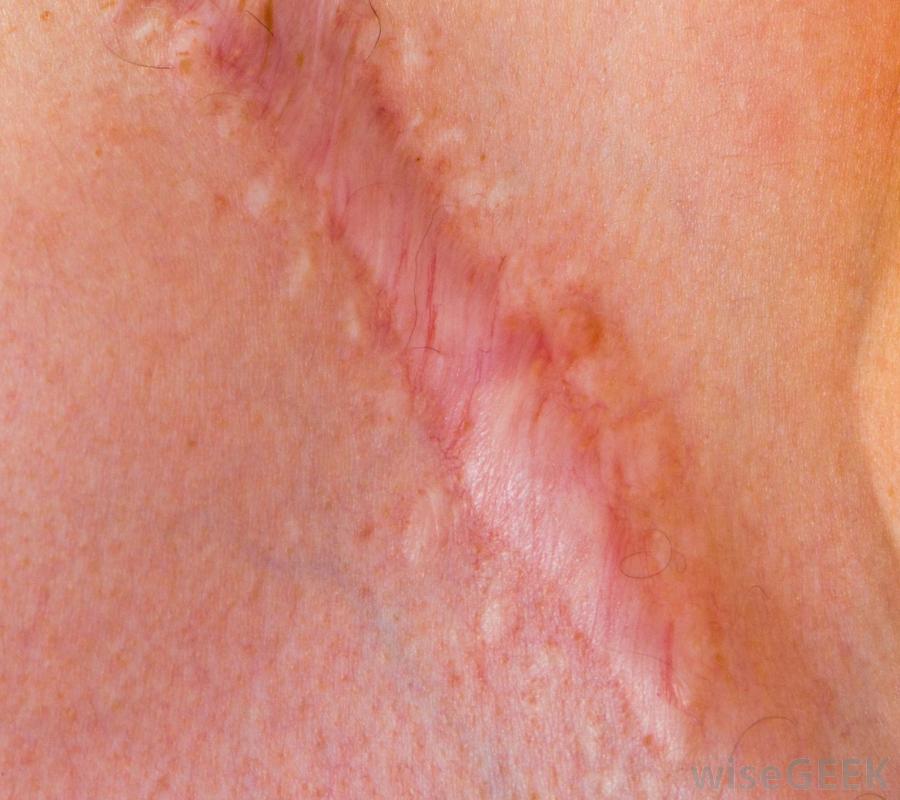
After TKR, most of us will experience a tight band feeling across the knee.  Some people may be fortunate enough to have experienced a reduction or elimination of this feeling after some time.  But for the rest of us, we may still have it after months or years post TKR. This tight band feeling is actually caused by adhesion (scar tissue).  According to Bone Smart, all the structures in the body, muscles, tendons, ligaments, even gut and lungs need to be able to glide over one another smoothly to let our bodies work.  To enable this "glide-ability", the body produces a special viscous fluid approximately the consistency of egg white, which lubricates everything with great efficiency.  When one tissue such as the skin is cut and has to mend, the skin generally makes itself a nice thin little line of fibrous tissue which may fade and disappear over time.  This is called a scar which is primary scarring.  When two bodies of tissues, like muscles, ligaments and surrounding structures are split apart and then nature sticks them back together again, they usually resume normal relations in terms of being close together but with glide-ability.  However, sometimes they fail to restore the needed moistness that allows this and so they get stuck together and the result is adhesion which is secondary scarring.

Adhesion or scar tissue can decrease our range of motion which may give us a feeling of tightness or not being able to move our joints normally.  If the adhesion affects a nerve from moving properly, we can get abnormal sensations like numbness, tingling and pain.  If it affects a muscle, we will have a decrease in strength, a decrease in range of motion and the muscle may feel stuck.  This may result in a feeling of pulling or dragging sensation when we move.  Scar tissue often hurts when touched or during weather changes (which is inexplicable).

Some people seem to make more scar tissues than others. In fact, some people go through a surgery to break scar tissues but this may even cause more scar tissues.  Recently, I read about a woman who had a stomach surgery and subsequently suffered severe scar tissue problems.  Thereafter, she had several surgeries to break down the scar tissues but it did not improve her condition.  She lives in a debilitating state with constant pain and poor posture.  This is an eye opener for me because I did not know that scar tissues could lead to such major problem.

Some doctors will recommend patients to go through a procedure called Manipulation Under Anaesthetic (MUA)  in order to break scar tissues and improve range of motion.  While the patient is asleep and relaxed during MUA, the surgeon forcibly bends the knee until the adhesion give way.  This may result in a backlash of swelling and soreness which at first results in poor flexion but after a period of recovery, the real flexion may surface. However, the result is not guaranteed so most people are hesitant to do it. 

Even after almost two years post TKR, I still have some tight band feeling.  I kept wondering what are other alternatives for breaking down scar tissue and so I did some research.  According to Dr. Barry Triestman, D.C. who specialises in chiropractic care, the reason the scar tissue do not go back to normal is that the body needs to have ideal bio mechanical force put on it and then the tissues will go back to normal.  He uses a patented Active Release Technique which is a soft tissue system to treat scar tissues amongst other things. 

I discovered an interesting video by Knee Pain Guru through the internet showing that one of the ways to break scar tissue is to kneel and walk with our knees so that the force will slowly make the tissues go back to normal.  Of course, this is easier said than done.  How many of us feels comfortable kneeling after TKR?  Not many, I should think. And certainly not me. But as an alternative, I have an improvised method.  I kneel on a thin pad at the edge of my bed and I use the bed to support my upper body just like doing a prayer.  Then I walk with my knees a little back and forth. After that, I just stand on my knees without any support and hold for 20 to 30 seconds.  Oh boy, it does feel painful but it feels good to be able to do this and it gets better with more practice. Already I am finding that I can get down and up from the floor a lot easier.  Now if any of you are game to try the Knee Guru method, please check out the video below.  It might just be the fastest way, not to mention the most painful way to break scar tissue or adhesion.

There are many other non-invasive methods to break scar tissue which you can find in the internet.  There is one method called the Decompression Massage Therapy which I have not tried before but it looks promising to me.  You can check out the the video below which I obtained from the internet. The most practical method for me is deep tissue massage.  Massage therapy has been proven effective to break down scar tissues without any known side effects. Of course, for some of you who have blood or other medical issues, please consult your doctor first. We can seek the services of professionals or we can do it ourselves.  I have started practising deep tissue massage recently on my own and am starting to see improvements in the tightness.  It feels painful and sore initially because we need to apply more pressure preferably using our knuckles on the areas around the knees and on the points of the legs that feels tight and painful.  The good news is that old scar tissues can still respond to deep tissue massage except that it might take a little longer.  If you have just gone through a TKR, it is advisable to wait at least three months or longer until the wound is totally healed. You can check out the video below which I obtained from the internet to see how deep tissue massage can be done.  This video shows a deep tissue massage for an ankle surgery but the routine can be the same for TKR.

According to Bone Smart, a therapist described her technique to reduce scar tissues by applying pressure to the scar with fingertips, hands next to each other like when you are playing a piano and the scar is where the keys are.  Then pull and stretch the scar gently in as many opposite directions as possible to break up all the collagen fibre adhesion.  Eventually work in one specific line of force (only stretching the tissue in one way) to align all the collagen fibres in one direction instead of a chaotic "mesh-like" pattern they can be in when we started.  We need to keep doing this on a regular basis.

 
I realise that to use our fingers to massage can be very tiring so I discovered these cheap little handy plastic massager  (see picture on the left) which comes in all shapes, colour and sizes.  Do not underestimate them as they are very effective and handy to carry around.  Now all we need to do is to apply some massage or baby oil on our legs and then with some pressure just glide the massager all over the thighs, knees, calfs and down to the ankles.  We can also use it to apply pressure on the points of knees where it feels tight.  I use a combination of my fingers, knuckles and the handy plastic massager.


Its amazing what massage can do for our body. I have been able to eliminate the tension headaches at the back of my head while sleeping in the past just by massaging my shoulder, neck and head using my fingers and knuckles while watching television every night.  So I actually kill two birds with one stone.  If I am unable to sleep, I will use my fingers to massage my eyebrows, the temple of my face right up to the back of my ears and it works for me all the time.  Occasionally, I will treat myself to a  full body massage by a professional massage therapist which is so therapeutic. 

Massage therapy improves blood circulation and lymphatic fluid throughout the body, allowing for increased oxygenation of the body's tissues and organs and reduction of swelling and stiffness.  Additionally, the simple fact that human touch, something that we all need and benefit from, is involved in massage therapy and accounts for much of its physical and mental healing qualities. 


My self-massage technique


Wednesday, 6 March 2013

CODEPENDENCY

During my early recovery from sleeping pills addiction, I learnt from a friend who is a recovering codependent that most addicts and family members of addicts are codependents.  Since then, I have read a book on codependency, done some research on it and also have been more observant of myself and others.  Strangely, I discovered that most people including myself do exhibit a certain degree of codependency without realising it.  According to the experts, if we have about 5 to 10% of codependency symptoms, we are still considered normal but a little bit of therapy may make us heal and feel happier.  Beyond that, we can consider ourselves codependent and really need help in order to recover.  Otherwise, it may ultimately lead to self-destruction. 

A healthy relationship is based on interdependence.  It is about forming connections with other people. We give and take.  We set boundaries.  We show our care and concern for others without neglecting our own needs. We are able to let go and have fun.  Whereas in a codependent relationship, it is a one sided relationship.  Codependents usually put aside their own needs in order to meet the needs of another person. They believe that this is what a 'good' spouse, 'good' parent, 'good' children, 'good' friend or 'good' employee/employer ought to do.  This is just not true.  Every situation is different and defining what is and isn't our responsibility can help us make better choices.


Break the chain of codependency
 

Codependency is a dysfunction that causes us to lose ourselves in relationships.  We ignore our feelings, needs and problems while obsessing on the feelings, needs, and problems of others.  We possess an exaggerated sense of responsibility for others, and struggle with maintaining healthy boundaries.  Thus, we experience relationships as stressful, and often suffer from anxiety, depression, guilt and resentment.


Codependents often suffers from feelings of low self-worth or self-esteem but we try to mask our feelings by adopting a care taking role of others, fixing other people's problems, joking/wisecracking/clowning around or pleasing other people so that we appear to have a good image on the outside.  These actions are actually giving us a sense of importance, relieving loneliness, and/or avoiding working on our own issues and needs. It has been said that "When a codependent dies, someone else's life flashes before their eyes!". 

Here are some examples of codependency behaviours which we can find even among family members or  friends:-

1.  Mothers or wives of addicts who can't stop giving money to the addicts to buy their supply because
     they felt  pity for the addicts and blamed themselves for the addicts' problems.  They do not realise that  
     they are not helping but are enabling the addicts instead.

2.  Men or women who spends a great deal of their lives taking care of their aged and sick parent  
     without having a life of their own and neglecting their own needs.  When the parent dies, they feel lost
     and have no sense of purpose anymore.  They are unable to cope with the break of the routine and
     structure. 

3.  Wives who manipulate their control on their husbands and children by attending to all their needs so
     much so that the entire family becomes totally dependent on them.  So without them, the whole family will
     crumble.

4.  Women who are unable to let go of abusive relationships because they fear being alone without anyone
      to take care of.

If you are wondering whether you are codependent, see whether you can relate to the following list of most common symptoms of codependency:-
  • Putting other people's needs before our own.
  • Feeling responsible for other people's behaviours and feelings.
  • Having low self-esteem but feel good when having done something for others.
  • Having problem saying 'No' to other people because of the tendency towards people-pleasing.
  • Afraid of being rejected by others or hurting other people's feelings.
  • Feels resentment towards people who wont let us help them.
  • Needs to be 'needed' to have relationship with people.
  • Enables the person with the problem to keep going down the wrong path and denies to the person that he/she has a problem.
  • Withdraws from others and acts like we don't care what others have to say.
  • Doesn't realise that we have a problem and thinks that we are helping the troubled person when we are really not.
  • Try to control events and people through manipulation.
  • Unable to let go even in an abusive relationship.
  • Unable to express feelings and afraid of intimacy

In the later stages of codependency, codependents may feel lethargic or depressed, become withdrawn and isolated, seek alternatives to living by pursuing other 'escape' activities, experience a complete loss of daily routine and structure or begin to have suicidal thoughts.  Examples of 'escape' activities are when people generally feel unhappy, bored or anxious unless they are playing video games, gambling, using drugs or alcohol, shopping, eating, pursuing a relationship, looking for sexual gratification, 'fixing' other people's lives and problems and even escaping into religion and 'converting' others to their beliefs.  Looking at the reality of the way we live our lives can help us determine if our lives are beginning to be unmanageble due to codependence.

Just like addiction, codependency is a disease as there is no cure for it.  So is recovery possible?  Absolutely.  Here are some of the steps for treatment and prevention:-
  • Admit that we have a problem.
  • Understand that we did not cause the other person's problems.  We can't control the other person and we can't cure or save the person.
  • Do not make excuse for ourself or others for the person.  Accept that the person has a real problem and needs help.
  • Join a support group for codependents such as Al-Anon or Codependent Anonymous (CODA).  It is a spiritual (not religious) program and can work even if you are an atheist.  You will not be persuaded to give up your religious/spiritual or atheistic beliefs.  It is merely a method by which you learn to change your codependent behavior.
  • Try as hard as we can to stop being a codependent for this person.  The more we refrain, the closer we will be to helping our self and the other.  Your group support and Higher Power can help you with this.
  • Seek therapy as codependency may be rooted in childhood.  Therapy can also help to identify the underlying cause of codependency.
  • Be responsible for ourself and others in the family to live a better life and make sure that we are healthy and happy.
  • Spend time on more productive and meaningful things for ourself as well as the community.

Recovery requires conscious effort to change.  We need to be honest with ourselves.  We need the help and experience of others who are in recovery.  We need a good and relevant therapist to help us see the light.  We need to accept our powerlessness over people and events. We need friends who are open and honest with us and we need to be open to their feedback. Very often, a part of being codependent is a resistance to being able to have fun and play.  So as part of recovery, we need to learn how to let go and have fun. Ultimately, we must have the courage to change.  We all deserve to find peace and happiness.


"Recovery is learning to function in relationships." -- Melody Beattie


There is a free local support group called Co-dependent Anonymous (CODA) Malaysia.  For more information, please call Renu at 012-6839544 or check out their website at  http://codamalaysia.wordpress.com